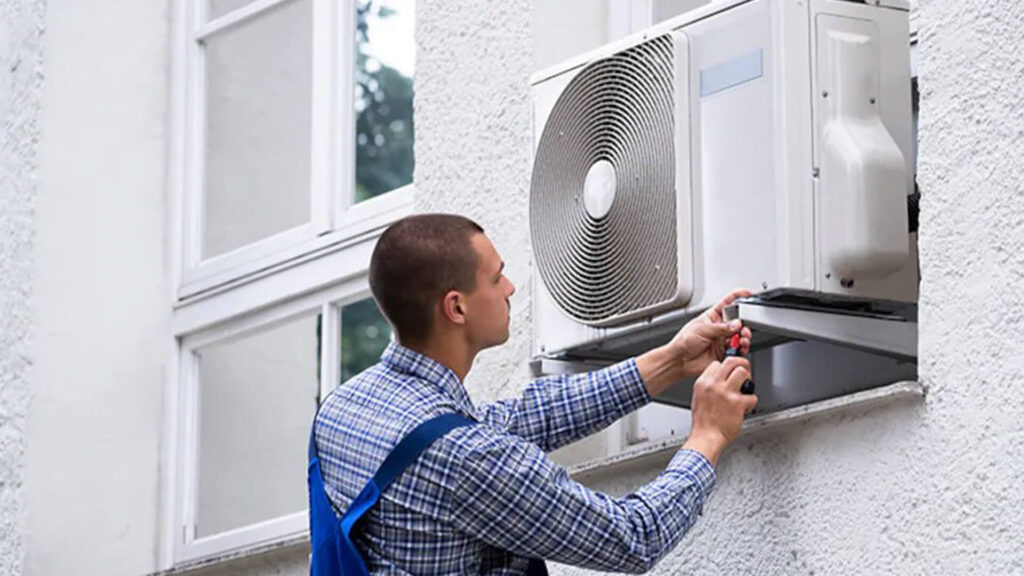

Many homeowners continue repairing aging air conditioners without realizing their system may already be costing more in energy waste and repeated breakdowns than a replacement would. Understanding do you need to replace your AC becomes especially important when cooling performance declines during peak summer temperatures. Recognizing early warning signs can help homeowners improve indoor comfort, lower utility costs, and avoid sudden HVAC failures that disrupt everyday living.
Air conditioning systems naturally lose efficiency as components age and experience years of seasonal strain. Compressors, coils, fans, and electrical parts wear down gradually, often creating small problems that homeowners overlook. Unfortunately, ignoring these warning signs can lead to poor airflow, inconsistent temperatures, rising energy bills, and expensive emergency repairs that may no longer make financial sense compared to replacement.
Rising Energy Bills Often Signal Efficiency Loss
One of the most common signs of an aging AC system is a noticeable increase in monthly cooling costs. Older systems typically require more energy to maintain comfortable indoor temperatures, especially during periods of extreme heat.
Why Efficiency Declines Over Time
Dust buildup, worn components, refrigerant problems, and declining compressor performance can all reduce HVAC efficiency. As the system works harder to cool the home, energy consumption increases while overall performance decreases.
Homeowners sometimes blame rising utility costs solely on weather conditions when the air conditioning system itself may be operating inefficiently behind the scenes.
Frequent Repairs Can Become Too Expensive
Occasional HVAC repairs are normal, but repeated service calls often indicate larger system deterioration. Constant breakdowns can quickly add up financially.
When Repairs Stop Making Sense
If repair costs continue increasing year after year, replacement may provide better long-term value. Older systems often require harder-to-find parts and may struggle to maintain reliable operation even after repairs are completed.
Many homeowners researching do you need to replace your AC begin asking the question after experiencing repeated compressor failures, refrigerant leaks, or electrical issues that continue returning despite professional maintenance.
Warning Signs Your AC May Be Near Failure:
- Frequent breakdowns
- Rising utility bills
- Weak airflow
- Warm air from vents
- Uneven room temperatures
- Excess indoor humidity
These symptoms often indicate declining HVAC performance that deserves professional evaluation.
Uneven Cooling Should Not Be Ignored
Hot and cold spots throughout the home can indicate airflow restrictions or declining system capacity. Rooms farther from vents may feel uncomfortable even when the thermostat shows the correct setting.
Common Causes of Uneven Cooling
Aging blower motors, leaking ductwork, clogged filters, and undersized systems can reduce airflow balance. In some cases, older air conditioners simply lack the capacity to cool modern homes efficiently, especially after renovations or insulation changes.
Poor temperature consistency also places extra stress on HVAC components, increasing wear and reducing long-term reliability.
Excess Humidity Can Point to System Problems
Your air conditioner should remove excess moisture from indoor air while cooling the home. If humidity levels remain high indoors, the system may no longer function efficiently.
Why Humidity Control Matters
Excess indoor moisture can encourage mold growth, worsen allergies, and reduce indoor comfort. Damp conditions may also affect wood flooring, insulation, and indoor air quality.
Homeowners asking do you need to replace your AC often notice sticky indoor air, persistent condensation, or musty odors long before the system completely fails. Addressing humidity issues early helps protect both comfort and household health.
Strange Noises Often Indicate Internal Damage
Air conditioners naturally make low operating sounds, but loud or unusual noises typically signal mechanical issues.
Sounds That Should Raise Concern
Grinding, rattling, screeching, buzzing, or banging noises may indicate loose components, motor wear, compressor damage, or electrical problems. Ignoring these sounds can allow internal damage to worsen over time.
Professional HVAC inspections can help determine whether repairs are practical or if replacement would offer better reliability and efficiency.
Preventative HVAC Maintenance Tips:
- Replace air filters regularly
- Schedule seasonal AC inspections
- Keep outdoor units clear of debris
- Monitor thermostat performance
- Clean vents and registers
- Address unusual sounds quickly
Preventive maintenance helps extend system lifespan while improving energy efficiency.
Refrigerant Issues Can Impact Cooling Performance
Older AC systems using outdated refrigerants may become more expensive to maintain as refrigerant supplies become limited and costly.
Signs of Refrigerant Problems
Frozen evaporator coils, hissing sounds, weak cooling, and longer cooling cycles often indicate refrigerant leaks. Low refrigerant levels place extra strain on compressors and reduce system efficiency.
If an aging unit requires major refrigerant repairs, homeowners may benefit more from replacing the system with a newer energy-efficient model.
Poor Indoor Air Quality May Be Linked to Aging AC Systems
Older HVAC systems can struggle to maintain healthy airflow and filtration. Dust buildup, mold inside ductwork, and declining ventilation performance may affect indoor air quality over time.
How AC Systems Affect Indoor Comfort
Modern air conditioners often include improved filtration, humidity control, and airflow management features that support healthier indoor environments. Replacing outdated systems may improve comfort while reducing airborne allergens and pollutants.
Benefits of Modern Energy-Efficient AC Systems:
- Lower cooling costs
- Better humidity control
- Improved indoor air quality
- Quieter operation
- Smart thermostat compatibility
- More reliable cooling performance
Newer systems often provide long-term savings despite higher initial installation costs.
Age Remains One of the Biggest Factors
Most residential air conditioners last around 10 to 15 years with proper maintenance. Beyond that range, efficiency and reliability often decline significantly.
Why System Age Matters
Older systems experience more wear, consume more electricity, and may struggle during periods of extreme heat. Frequent repairs on aging units often provide only temporary relief instead of lasting performance improvements.
Understanding your system’s age helps homeowners plan for replacement before sudden failures occur during peak summer demand.
Conclusion
Recognizing the warning signs of a failing air conditioner can help homeowners avoid expensive emergency repairs and ongoing energy waste. Rising utility bills, uneven cooling, humidity problems, strange noises, frequent breakdowns, and declining indoor comfort often indicate that replacement may be the smarter long-term choice. Modern HVAC systems provide better efficiency, improved indoor air quality, and more reliable cooling performance. By addressing problems early and scheduling professional inspections, homeowners can protect home comfort, reduce costs, and enjoy dependable cooling throughout the hottest months of the year.