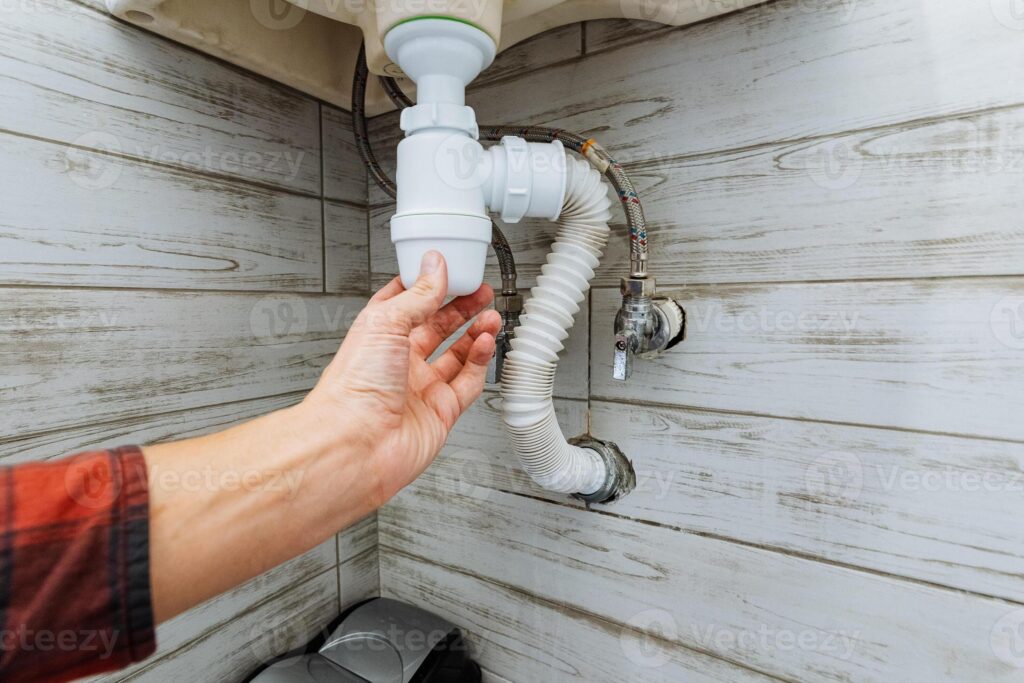

Homeowners in this region often encounter a moment of sudden frustration: a sink that refuses to drain, a shower floor that remains filled with standing water, or the sound of gurgling pipes echoing through the walls. These experiences are typically signals that the internal plumbing system is struggling to move water effectively. For residents of the area, understanding why these blockages occur and how to approach them can help prevent small inconveniences from developing into more substantial household challenges.
Understanding Why Drain Blockages Often Occur
Drain performance often declines gradually rather than failing all at once. Several factors contribute to this slow buildup. In this climate, household pipes are frequently exposed to distinct environmental variables. For instance, the mineral content in the local water supply can influence how materials accumulate inside plumbing lines. Over time, these minerals can settle along the interior walls of pipes, creating a rough surface that attracts debris like soap scum, hair, and organic matter.
Furthermore, many properties are located near mature vegetation. Roots from nearby trees and large shrubs are naturally drawn to the moisture found in sewer and drain lines. Even minor gaps or structural seams in underground piping can become entry points for roots. Once inside, these roots tend to expand, which eventually restricts the flow of water and can lead to recurring backups. This is a common scenario in many neighborhoods, and it often requires a professional diagnostic approach to resolve safely and effectively.
How the Process of Professional Drain Cleaning Typically Functions
When a drain becomes significantly obstructed, simple manual tools may provide only temporary relief. Professional plumber drain cleaning in Bend, Oregon generally involves a more comprehensive evaluation of the entire system. Instead of relying solely on mechanical force to push an object through a line, a knowledgeable service provider typically begins by assessing the nature of the blockage.
Modern diagnostic methods, such as the use of high-resolution drain cameras, allow for a visual inspection of the interior of the pipes. This step is useful because it helps identify the exact location and type of the obstruction—whether it is a dense collection of grease, a significant root intrusion, or simply a buildup of scale. By understanding the root cause, a professional can select the most appropriate technique for the situation. This often involves specialized tools like hydro-jetting, which uses pressurized water to clear debris from the pipe walls, or professional-grade cabling equipment designed to break through tougher obstructions without causing damage to the pipe structure itself.
Key Factors That Shape Long-Term Plumbing Outcomes
The longevity of a drain system often depends on how it is maintained rather than just how it is repaired. One of the most important considerations is the condition of the piping material itself. Older homes may feature different types of plumbing infrastructure compared to newer constructions, and each material reacts differently to wear and internal pressure.
Another factor is the influence of household habits on the system. Even small, frequent additions of grease, starchy food particles, or non-disposable paper products can compound into significant blockages over several months. Many professional technicians recommend that homeowners monitor what enters their drains and consider regular, preventive inspections. A systematic approach to plumbing health — such as scheduling routine cleanings during seasons when the system is under higher stress — can help avoid the need for emergency service calls. Understanding that the drain system is a dynamic part of the home’s infrastructure can help residents make more informed decisions about when to seek assistance.
Practical Ways to Approach Plumbing Maintenance Well
Managing a home’s plumbing health does not have to be an overwhelming process. A sensible way to approach the situation is to focus on proactive communication with a reliable service provider. When you contact plumbers in Bend, Oregon, asking about their diagnostic process is a useful starting point. A thorough provider will typically be willing to discuss what they see during their inspection and explain why they recommend specific interventions.
Consider these general approaches for maintaining better plumbing flow:
- Routine Observation: Pay attention to early warnings, such as slower-than-normal drainage speeds or unusual sounds in the pipes. Addressing these signs early often requires less invasive work than waiting for a complete blockage.
- Informed Consultation: When selecting a service, look for providers who prioritize an accurate diagnosis through camera inspection before proposing a solution. This approach is generally more reliable than opting for a quick fix based on guesswork.
- Preventive Schedules: Discuss with a service professional whether an annual or semi-annual maintenance schedule might be appropriate for your specific property. This is a common strategy for households that want to minimize the risk of sudden, inconvenient plumbing failures.
- Education on System Care: Ask your service technician about the specific characteristics of your home’s plumbing. Learning about the layout and potential vulnerabilities can help you adjust your daily habits to protect the system.
Taking care of your plumbing system is a matter of sensible, ongoing attention. By staying observant of how your drains function and working with qualified experts who value thorough diagnostics, you can maintain a more reliable water system for your home. Reaching out for professional advice at the first sign of persistent sluggishness is a practical next step toward maintaining a smooth-running household.