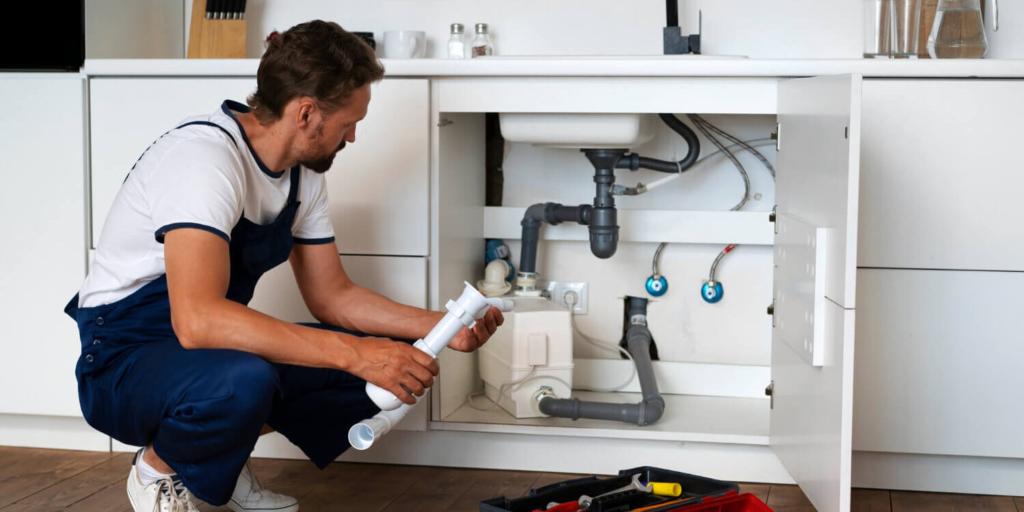

When a sink refuses to empty or a shower drain starts backing up, many homeowners instinctively reach for a plunger or a liquid store-bought product. This immediate reaction is understandable, as plumbing issues are often disruptive and unwelcome. However, the choice to address a clog with a quick fix versus engaging professional drain cleaning plumber services involves a trade-off between short-term convenience and the long-term health of your home’s infrastructure. Deciding how to manage these issues requires an understanding of how drains function and the potential risks of common maintenance habits.
Understanding the Mechanisms of Household Drain Blockages
At a high level, drains are designed to handle water and specific types of organic waste. Problems typically arise when the substances entering the pipes exceed the capacity or the chemical suitability of the plumbing system. Over time, materials like hair, soap scum, cooking fats, and mineral deposits can accumulate on the interior walls of pipes, gradually narrowing the diameter of the path through which water flows.
When this accumulation reaches a critical point, even a small amount of additional debris can trigger a complete blockage. In many cases, these deposits are not localized to a single point but exist as a buildup along a length of pipe. Understanding that a drain is rarely a simple, straight tube—but rather a complex network of traps, vents, and junctions—helps explain why superficial clearing methods may fail to address the underlying restriction.
Evaluating Approaches to Drain Restoration
Different methods of clearing obstructions offer varying degrees of effectiveness. For minor, localized issues, mechanical displacement—such as using a basic hand tool—can sometimes resolve a temporary stoppage. These tools are generally designed to break through a mass so that water can resume flow, but they often leave behind the residue that caused the buildup in the first place.
Professional drain cleaning methods typically operate on a more comprehensive level. Specialized equipment, such as high-pressure water systems or advanced mechanical snakes with specialized attachments, are often used to scrub the interior surfaces of pipes. This process is intended to restore the pipe to a state closer to its original diameter. Another key component of professional assessment is the use of high-definition camera technology, which allows for a visual inspection of the pipe’s interior. This step provides insight into whether the blockage is a result of surface accumulation, an obstruction like a foreign object, or a more systemic issue such as tree root intrusion or a structural failure in the pipe itself.
Factors That Inform the Decision for Professional Intervention
Several considerations can influence whether a situation warrants professional help. One factor is the frequency of the issue; if drains require clearing repeatedly, it often suggests a recurring obstruction that standard measures are not adequately addressing. Another consideration is the age and material of the plumbing system. Older pipes can be sensitive to the friction of mechanical tools or the pressure of high-grade equipment, making a professional’s assessment of the pipe’s integrity essential before any clearing work begins.
The location of the blockage also matters. A clog near the fixture is typically easier to manage than a deep-seated obstruction in the main sewer line. Because main line blockages can lead to significant backups and potential water damage throughout the home, most homeowners find that the risk associated with these areas justifies a professional approach. Finally, the potential for damage to the pipes from harsh chemical agents is a primary reason many experts advise against their frequent use. These chemicals can, in some cases, react with the material of the pipe or the metal of the joints, leading to degradation that might not be immediately visible but can cause leaks over time.
Aligning Plumbing Care With Individual Home Needs
A thoughtful approach to home maintenance involves matching your response to the specific nature of the problem. For many residents, this means establishing a relationship with a qualified drain cleaning plumber who can perform periodic inspections. Such preventative measures are often more cost-effective than emergency repairs because they allow for the removal of debris before it has the opportunity to harden into a major blockage.
When choosing a professional, homeowners should look for providers who emphasize transparency. A reputable service provider will typically explain the diagnostic process, discuss the different options for clearing a line, and provide information on how to maintain the pipes between service visits. They should be willing to share the findings of a camera inspection so that you understand exactly why a specific procedure is being recommended.
By focusing on prevention—such as being mindful of what enters the drains and scheduling regular evaluations—you can significantly reduce the likelihood of experiencing a sudden and costly plumbing emergency. Empowering yourself with the knowledge of how your home’s system operates allows you to make informed decisions, ensuring that you choose the level of care that best fits the condition and age of your plumbing. Ultimately, maintaining a healthy, functional drainage system is a proactive process of monitoring, discerning when to act, and knowing when to call in specialized assistance to protect the home’s integrity.