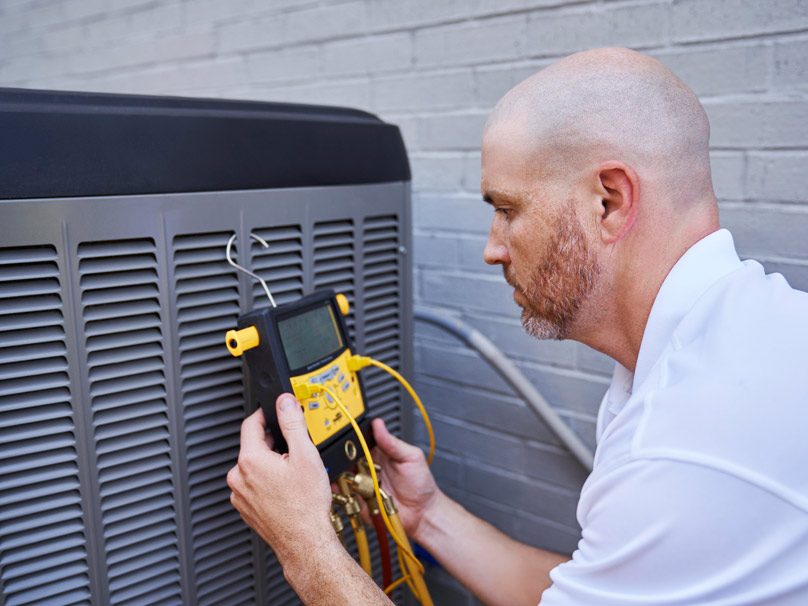

Most homeowners think about indoor comfort in terms of temperature, but the quality of the air inside a home is just as important. You can have a perfectly functioning heating and cooling system while still dealing with air quality issues that affect your comfort every day. Dust, excess humidity, poor ventilation, and hidden contaminants often develop gradually, making them easy to overlook. If you’re concerned about the air circulating through your home, working with an experienced HVAC company Jupiter, FL can help identify problems that aren’t always obvious and recommend practical solutions.
Indoor air quality doesn’t usually change overnight. Instead, small issues build up over weeks or months until you begin noticing lingering odors, increased dust, or rooms that simply don’t feel as fresh as they once did. Recognizing these hidden problems early can help improve your home’s comfort while supporting the long-term performance of your HVAC system.
Your Home May Be Holding More Pollutants Than You Realize
Modern homes are designed to be more energy efficient than ever before. Better insulation and tighter construction help reduce energy loss, but they also limit the amount of fresh outdoor air entering the home.
Without proper ventilation, everyday pollutants remain trapped indoors. Cooking, cleaning products, pet dander, household dust, and even furniture can introduce particles and gases into the air. Over time, these contaminants continue circulating through the HVAC system unless they’re properly filtered or ventilated.
A home that feels clean isn’t always free from airborne pollutants.
Dust Isn’t Just a Cleaning Problem
Many homeowners assume dust is simply something that settles on furniture. In reality, dust constantly moves through your home’s air before eventually landing on surfaces.
If you find yourself dusting more often than usual, it may indicate that airborne particles are circulating continuously through the HVAC system. Dirty air filters, leaking ductwork, or inadequate filtration can all contribute to increased dust levels.
While regular cleaning removes visible dust, addressing the source of the problem often requires improving airflow and filtration throughout the home.
Humidity Can Quietly Affect Indoor Air
Humidity levels influence much more than comfort. Air that is too humid can make your home feel warmer than it actually is, while air that is too dry may leave your skin, eyes, and throat feeling irritated.
High humidity also creates conditions that encourage mold growth in hidden spaces such as crawl spaces, attics, and inside walls. Because these areas are rarely inspected, moisture problems may remain unnoticed for long periods.
Maintaining balanced indoor humidity helps create a healthier and more comfortable living environment year-round.
Hidden Mold Isn’t Always Easy to Detect
Mold doesn’t always appear as visible black spots on walls or ceilings. In many cases, it develops in places homeowners rarely see, including behind drywall, beneath flooring, inside ductwork, or around plumbing leaks.
One of the earliest signs may simply be a persistent musty odor that doesn’t disappear after cleaning. If moisture remains trapped in hidden areas, mold can continue growing without obvious visual evidence.
Promptly addressing water leaks and controlling indoor humidity helps reduce the likelihood of hidden mold problems.
Poor Ventilation Can Leave Air Feeling Stale
Many people associate stale indoor air with a lack of cleaning, but ventilation often plays a much larger role.
Without adequate air exchange, indoor pollutants continue circulating while fresh outdoor air has little opportunity to enter the home. This can leave rooms feeling stuffy even when the temperature is comfortable.
Proper ventilation supports healthier airflow by helping remove indoor contaminants while introducing fresh air into the living space.
Dirty HVAC Components Can Affect Air Quality
Your HVAC system continuously circulates air throughout the home. If important components become dirty, they may also contribute to declining indoor air quality.
Dust and debris can accumulate on:
- Air filters
- Evaporator coils
- Supply vents
- Return vents
- Blower components
- Ductwork
Routine maintenance helps keep these components clean so air can move efficiently while reducing the circulation of unwanted particles.
Everyday Habits Can Influence the Air You Breathe
Many indoor air quality issues are connected to normal daily activities rather than major household problems.
Cooking without using exhaust fans, allowing moisture to build up in bathrooms, neglecting air filter replacements, or keeping windows closed for long periods can all affect indoor air over time.
Small changes to these habits often make a noticeable difference in how fresh your home feels while supporting healthier airflow throughout the house.
Why Professional Inspections Matter
Because many indoor air quality problems remain hidden, homeowners may not recognize them until comfort noticeably declines.
Professional HVAC inspections involve more than checking heating and cooling equipment. Technicians can evaluate airflow, ventilation, humidity levels, filtration, and overall system performance to identify concerns that may not be immediately visible.
Addressing these issues early often prevents more significant problems while helping maintain cleaner indoor air.
Creating a Healthier Indoor Environment
Improving indoor air quality doesn’t usually require one dramatic solution. Instead, it often comes from combining several simple improvements that work together.
Regular HVAC maintenance, timely air filter replacement, balanced humidity, proper ventilation, and routine cleaning all contribute to healthier indoor air. Together, these measures create a more comfortable home while supporting the efficiency of your heating and cooling system.
Taking a proactive approach also helps reduce the buildup of airborne contaminants before they begin affecting everyday comfort.
Final Thoughts
Indoor air quality problems are often easy to overlook because they develop gradually and rarely produce immediate warning signs. Yet issues such as poor ventilation, excess humidity, hidden mold, dirty HVAC components, and airborne dust can quietly influence both your comfort and the condition of your home.
Understanding these hidden factors allows you to make informed decisions about maintaining a healthier indoor environment. With regular HVAC maintenance and attention to air quality, you can enjoy cleaner air, greater comfort, and a home that feels fresh throughout every season.